The shift from flat surfaces to fluid curves has redefined modern architectural and stage design. Curved displays offer a level of depth and engagement that standard rectangular screens simply cannot match. Consequently, designers must decide between concave and convex configurations to fit their specific space. Selecting a high-performance curved LED display screen requires an understanding of how these different shapes influence the viewer. This guide compares inner and outer curves to help you select the most impactful solution for your next project.
The Inner Curve: Creating Immersive Enclosures
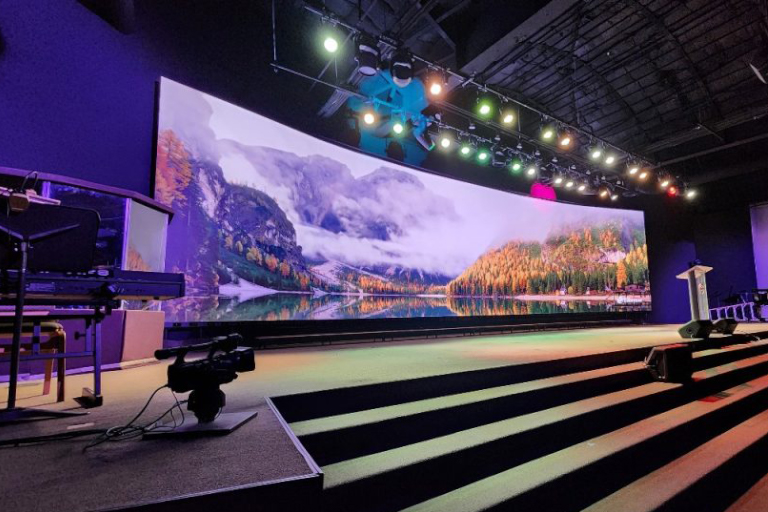
An inner curve, or concave design, bends toward the audience to wrap around their field of vision. Consequently, this configuration creates a powerful sense of “immersion” by filling the viewer’s peripheral sight. Furthermore, the inward bend naturally focuses light and sound toward a central point in the room. This makes it the premier choice for professional stage backdrops and high-end digital showrooms. Therefore, an inner curved LED display screen excels at transporting an audience into a digital world.
Ideal Scene: Immersive exhibition halls where the screen surrounds the visitor. Consequently, the viewer feels like they are standing inside the content.
The Outer Curve: Maximum Visibility from Every Angle
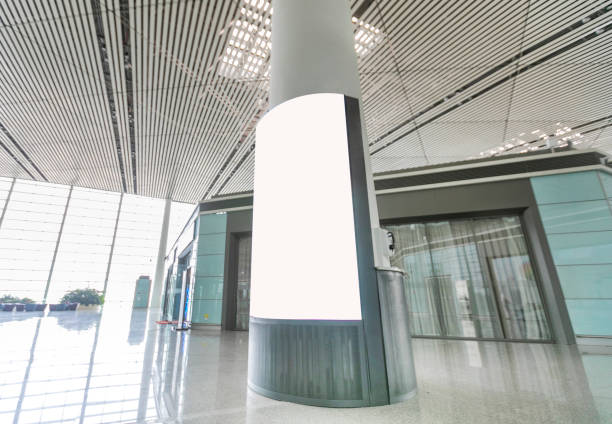
An outer curve, or convex design, bulges outward like a cylinder or a rounded building corner. Consequently, this shape allows people to see the content from multiple directions at once. Furthermore, it is the perfect solution for wrapping around structural pillars or covering the exterior corners of a skyscraper. This design transforms a sharp architectural edge into a smooth, flowing digital canvas. Therefore, an outer curved LED display screen is the ultimate tool for capturing the attention of passing foot traffic.
360-Degree Impact: Ideal for round pillars in shopping malls or airports.
Architectural Harmony: Softens the hard lines of a building’s exterior facade.
Expanded View: Content remains visible even as a person walks past the display.
Comparison Matrix for Curved Displays
Feature
Inner Curve (Concave)
Outer Curve (Convex)
Visual Goal
Total Immersion
Wide-Angle Visibility
Primary Audience
Inside the Curve
Outside/Passing By
Common Use
Studios, Stages, VR Rooms
Pillars, Building Corners
Viewing Sweet Spot
Focused Center
Distributed 180°+
Strategic Selection for Your Venue
Your choice depends entirely on where your audience stands and how they move.
For Private Theaters: Use an inner curve to mimic the grand scale of a cinema.
For Retail Pillars: Choose an outer curve to turn structural obstacles into advertising assets.
For Virtual Production: Select a deep, inner curved LED display screen to create realistic 3D environments.
Consequently, you ensure that every pixel serves a specific architectural or emotional purpose. Furthermore, modern modular designs allow for incredibly tight curve radii without visible gaps between panels. Therefore, you can achieve a seamless look regardless of which direction the screen bends.
Conclusion: Shaping the Future of Digital Spaces
The direction of a curve determines the story your screen tells the audience.
Stop limiting your creative vision to the flat surfaces of the past. Instead, embrace the dynamic possibilities of a professional curved LED display screen tailored to your unique site. Consequently, your installation will become a landmark of modern design and high-tech engagement. Experience the visual power of precision-engineered curves today. Your space deserves a display that flows with its architecture.




Add comment