
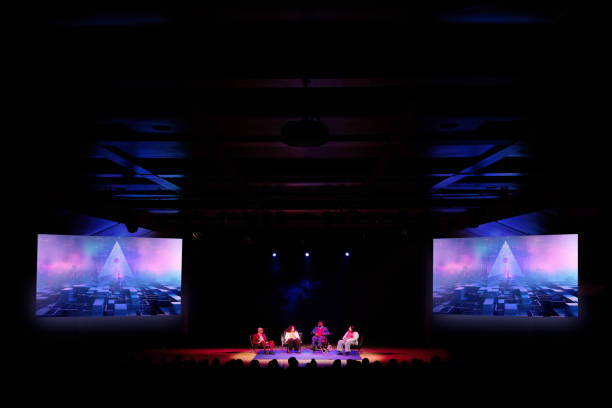
Event production managers, stage designers, and global concert touring companies must evaluate their display hardware infrastructure carefully. Selecting an unreliable panel connection mechanism will cause catastrophic signal blackouts, lengthy troubleshooting delays, and high repair costs during live shows. Therefore, procurement teams must analyze how structural connection methods affect module reliability under intense road conditions.
Achieving a seamless, reliable visual performance depends heavily on choosing between soft-link LED screens and hard-link modular setups. The internal wiring method determines how well your video wall handles bumpy shipping conditions, rapid stage assembly, and quick on-site maintenance. This technical B2B guide compares both connection styles to help you choose the best hardware for your rental fleet.
1. Decoding the Engineering: Soft-Link vs. Hard-Link Interconnects
LED display manufacturers utilize two primary internal methods to route power and data signals between the core receiving card and individual pixel modules.
 Soft-Link Setup:  [Receiving Card] ──> Flexible Ribbon Cable (FFC) ──> [LED Module]
 Hard-Link Setup:  [Receiving Card] ──> Rigid Board-to-Board Pins ──> [LED Module]
A soft-link LED screen’s design utilizes flexible flat cables (FFC) and insulated copper wire harnesses to route power and data signals internally. This pliable arrangement provides a flexible connection buffer, so the copper lines bend easily without snapping when technicians repeatedly pull out modules during routine service.
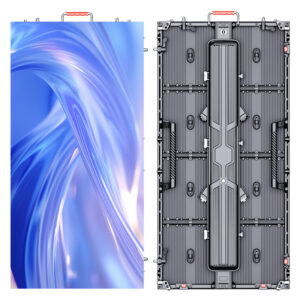
Conversely, a hard-link configuration eliminates loose internal wiring by utilizing rigid, gold-plated board-to-board pin connectors. The pixel modules plug directly into the central hub board like a computer RAM stick, creating a clean, wireless internal chassis. This rigid design eliminates wire clutter but requires precise manufacturing tolerances to prevent pin misalignment.
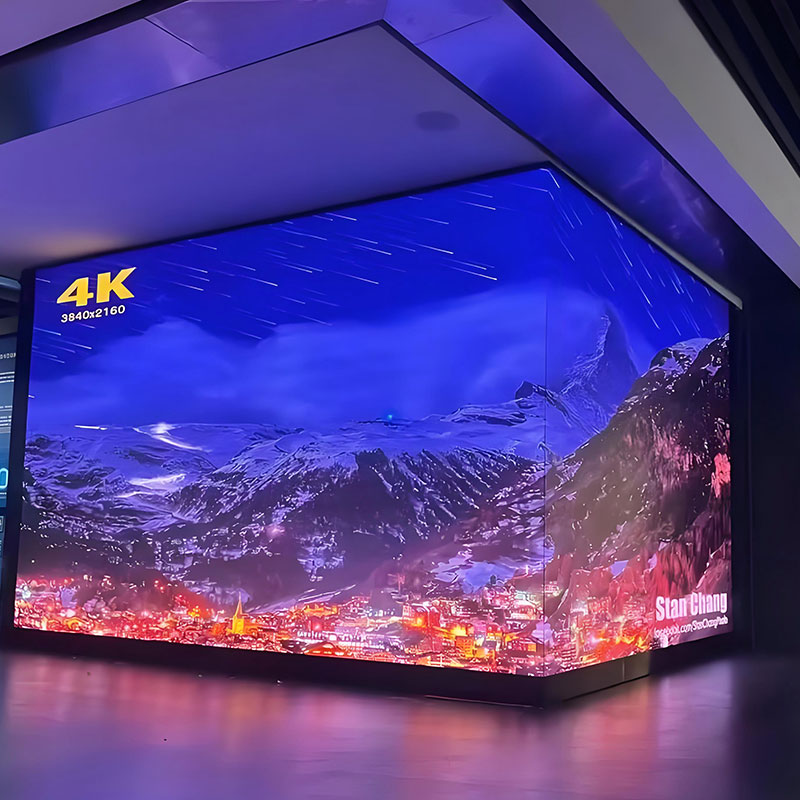
2. Technical Performance Matrix for Rental and Touring Operations
Production teams must evaluate how these engineering differences impact real-world event setup speeds, shipping logistics, and repair times:
| Performance and Maintenance Metric | Soft-Link LED Screens | Hard-Link Wireless Panels |
| Internal Wiring Architecture | Flexible ribbon cables & discrete power cords | Wireless; rigid board-to-board pin docking |
| Vibration Absorption Capacity | Excellent; flexible lines absorb road shock | Rigid; relies on heavy-duty lock housings |
| On-Site Field Repair Speed | Fast; swap cheap cables by hand in seconds | Slow; bent pins require complex board repairs |
| Cross-Model Component Sharing | High; adapts to various standard chassis | Low; locked into one specific factory line |
| Upfront Fleet Sourcing Cost | Highly Cost-Effective; budget-friendly | High Premium; typically limited to elite touring lines |
| Primary Event Application | Corporate galas, local rentals, trade shows | Global stadium tours, extreme bumpy shipping |
3. Strategic Sourcing Analysis: Vibration Survival and Maintenance Realities
Managing a high-utilization rental fleet requires looking past initially shiny product sheets to evaluate long-term maintenance costs and real-world durability.
                  Rental Fleet Field Maintenance Scenarios:
 ┌──────────────────────────────────────────────────────────────────────┐
 │ Soft-Link: Cable fails mid-show -> Tech replaces it in 10 seconds.   │
 ├──────────────────────────────────────────────────────────────────────┤
 │ Hard-Link: Pin breaks mid-show  -> Requires soldering or new module. │
 └──────────────────────────────────────────────────────────────────────┘
While hard-link screens look incredibly clean inside, their rigid design makes them vulnerable to damage during frequent shipping in bumpy trucks. If an impact bends a rigid connector pin, repairing it requires tedious precision soldering that cannot be done quickly backstage.
In contrast, soft-link panels handle bumpy truck transport beautifully because their flexible cables naturally absorb vibrations without breaking. If a cable happens to wear out after months of heavy use, a local technician can swap it out by hand in seconds without tools. Furthermore, soft-link components are highly interchangeable, allowing you to use standard parts across different cabinet styles in your inventory.
Conclusion: Optimize Your Live Production Infrastructure
Securing commercial success across competitive event rental markets requires purchasing reliable video panels that maintain perfect uptime under demanding schedules.
Stop wasting your technical production budget on fragile, uncalibrated displays that experience signal dropouts, pixel flickering, and costly maintenance delays. Upgrading your staging inventory to our modular soft-link LED screens guarantees excellent vibration resistance, fast on-site servicing, and high cross-model flexibility. We engineer every single modular block to handle continuous assembly, heavy road shipping, and rapid power cycles easily.
Contact the LIHE commercial procurement department today to request product pricing, explore custom flightcase configurations, and secure your next bulk fleet order.


Add comment