Selecting the correct installation method is critical for any successful event. Each setup offers unique visual benefits and structural requirements. However, safety must always remain your top priority on-site. This guide compares the three primary ways to install a rental LED display screen. We help you balance creative vision with professional engineering standards.
1. Comparing the Three Major Installation Methods
Different venues and stage designs demand specific mounting strategies. Use this table to identify the best fit for your next project.
| Method | Best Use Case | Primary Advantage | Critical Safety Point |
| Hanging | Main Stages, Ceiling Canopies | Saves floor space | Truss load calculations |
| Stacking | Side Screens, Small Stages | Quick and stable setup | Base friction & center of gravity |
| Floor-Mounted | Interactive LED Floor Tiles | Flush with the ground | Load-bearing & drainage |
2. Hanging Installation: The Aerial Visual Power
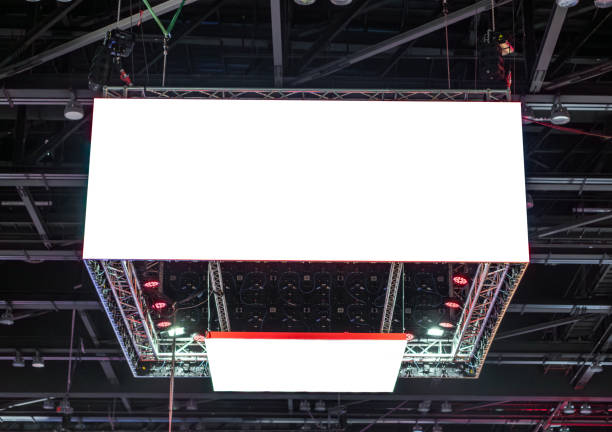
A hanging rental LED display screen creates a massive visual impact from above. This method is the standard for concert touring and large exhibitions.
The Setup Advantages
Hanging the screen keeps the ground clear for performers and equipment. Furthermore, it ensures that every person in the audience has a clear line of sight. It creates a professional, “floating” aesthetic that traditional stands cannot match.
Key Safety Essentials
Safety is paramount when suspending heavy electronics over a crowd. First, you must calculate the total weight against the truss capacity. You must also account for dynamic loads during the lifting process. Most importantly, you must implement a “Two-Point Protection” system. This includes the primary hoist and a secondary safety steel wire. Therefore, the screen remains secure even if one component fails.
3. Stacking Installation: Fast and Reliable Stability
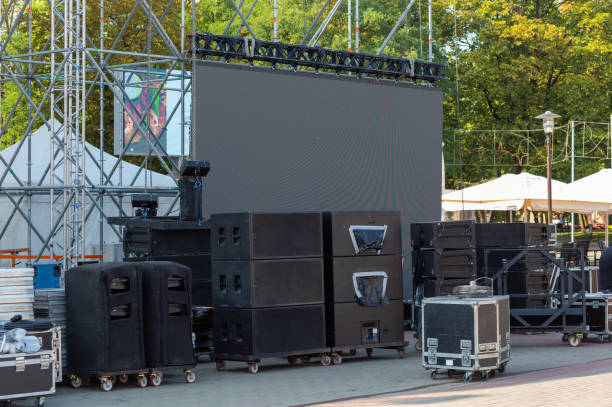
If your venue lacks overhead rigging points, stacking is your best friend. This method builds the screen from the ground up using a dedicated support frame.
The Setup Advantages
Stacking is incredibly fast to assemble and strike after the show. It requires fewer specialized riggers than hanging setups. Consequently, it is a cost-effective choice for corporate events and temporary retail displays.
Key Safety Essentials
Stability depends entirely on a level foundation and proper counterweights. You must monitor the center of gravity as the screen height increases. Furthermore, use anti-slip pads at the base to prevent accidental shifting. Therefore, the structure remains rock-solid throughout the entire performance.
4. Floor-Mounted (Ground Integrated): The Immersive Experience
Floor-mounted screens, often called LED tiles, transform the ground into a canvas. These are common in high-end product launches and immersive digital art galleries.
The Setup Advantages
These screens integrate seamlessly with the stage floor for a clean look. They allow people to walk directly on the digital content. This creates a unique interactive experience for your guests.
Key Safety Essentials
The design must handle the weight of moving crowds or even vehicles. Therefore, verify the maximum static and dynamic load ratings before use. Additionally, you must ensure proper ventilation and drainage beneath the tiles. Consequently, the electronics stay cool and dry during the entire event.
Conclusion: Safety is the Foundation of Brilliance
Every rental LED display screen project requires a customized technical plan. Whether you hang, stack, or bury your screen, never compromise on safety.
Always cross the “Safety Red Line” with a double-protection strategy. Use certified hardware and perform a final inspection before the doors open. A brilliant visual show is only successful if it is also perfectly safe. Plan your installation with precision and execute with total confidence today. Your audience deserves a show that is both stunning and secure.
Add comment