
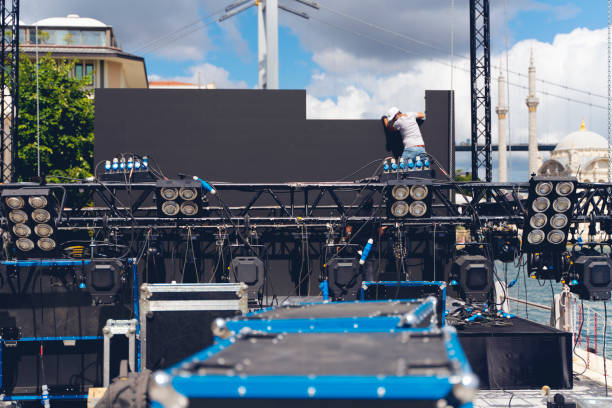
Music festivals are no longer just about the sound. Modern audiences crave a total sensory explosion. Consequently, the main stage serves as the visual heart of the entire event. Using high-performance rental LED screens allows organizers to build massive, immersive environments. This guide explains how to configure digital displays for tens of thousands of fans. We help you turn a simple concert into a legendary, multi-dimensional journey.
1. Typical Configurations for the Global Main Stage
A world-class stage requires a layered approach to digital architecture.
The Massive Central Main Screen
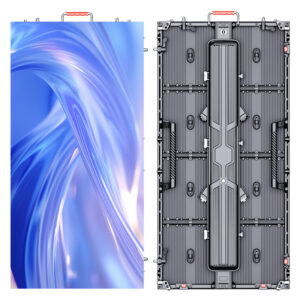
The main screen is the focal point of the entire festival. Most professional setups cover between 200 to 500 square meters. Furthermore, a pixel pitch of P3.9 to P4.8 ensures clarity for fans in the back rows. Consequently, every facial expression of the artist remains visible to the entire crowd. Therefore, this central canvas acts as the primary storyteller for the musical performance.
Extended Visuals with Side and Wing Screens
Side screens expand the visual field beyond the center of the stage. They often display live IMAG (Image Magnification) feeds for the audience. Consequently, even the largest crowds feel an intimate connection with the performer. Furthermore, these wings can display synchronized ambient graphics that match the music’s rhythm. This creates a cohesive “wall of light” that dominates the festival landscape.
Interactive LED Floors and Ceiling Canopies
Modern stages now include LED floor tiles for the dancer interaction zone. These rugged panels can withstand heavy movement while displaying reactive graphics. Furthermore, ceiling canopies provide a “visual wrap” that encloses the performers in light. Consequently, the stage feels like a living, breathing digital organism. Therefore, you achieve a 360-degree immersion that traditional lighting cannot provide.
2. Essential Technical Standards for Outdoor Success
Outdoor festivals present extreme environmental challenges for electronic equipment.
- High Brightness (5000+ nits): You must compete with direct afternoon sunlight during early sets.
- IP65 Waterproofing: Sudden rain showers should not stop the headline performance.
- Wind Resistance: Modular cabinets must feature reinforced truss mounting for safety.
Consequently, your rental LED screens stay operational through unpredictable weather changes. Using fast-lock mechanisms allows for rapid assembly and emergency teardown if necessary. Furthermore, high refresh rates prevent flickering on professional camera feeds and livestreams. Therefore, your technical reliability protects the reputation of the festival and the artists.
3. Advice for Organizers: Stage as the Second Language
The visual design should amplify the emotional energy of the music.
- Sync with Lighting: Coordinate your LED content with the grandMA or lighting console.
- Prioritize Viewing Angles: Ensure the side screens are angled for the widest possible audience.
- Invest in Content: Hire a professional VJ to create custom loops for each artist.
Consequently, the audience experiences a seamless blend of sight and sound. High-quality rental LED screens turn a standard stage into a digital masterpiece. Furthermore, the “Instagrammable” nature of a bright stage drives massive social media exposure. Therefore, view your LED budget as a direct investment in the festival’s viral success.
Conclusion: Creating Memories Through Digital Light
The most memorable festivals are those that transport fans to another world.
Stop settling for small, static setups that fail to inspire the crowd. Instead, embrace the scale and power of professional rental LED screens. Consequently, you will create a visual heartbeat that resonates with every single attendee. Experience the magic of a truly immersive, high-definition music festival stage today. Your audience is waiting for a show they will never forget.


Add comment