
fdLive concerts need more than powerful sound to create memorable experiences. A creative LED stage can capture audience attention, strengthen the performance atmosphere, and make visual content more engaging. An indoor/outdoor flexible stage screen gives event planners more freedom to design curved backdrops, immersive stage walls, and distinctive visual effects. With flexible cabinet structures, multiple pixel pitch options, and high brightness for outdoor applications, event teams can adapt their display layouts to different venues and production needs.
Why Choose a Flexible LED Display for Concert Stages?
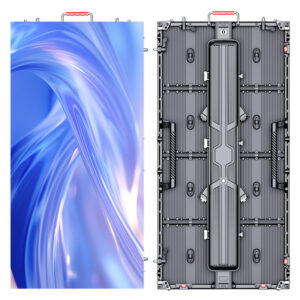
Traditional flat screens work well for standard stage layouts, but curved displays offer more creative possibilities. A flexible LED display panel can follow curved structures and help designers build visual installations that complement the stage architecture. Lihe Opto LTD provides LED display options for indoor and outdoor projects, with supported curvature of ±25° for suitable configurations. In addition, lightweight cabinets measuring 500 × 500 mm can help event crews manage installation and dismantling more efficiently.

5 Curved Design Ideas for Live Concerts
Concert designers can use curved LED displays in several ways to improve stage composition and audience engagement. The best layout depends on the venue, viewing distance, content style, and stage dimensions. Consider these five ideas when planning a flexible LED installation.
- Wraparound stage backdrops: Arrange curved LED panels behind the performers to create a panoramic visual background. This layout works well for animated graphics, concert branding, and synchronized visual effects. Moreover, a curved backdrop can help connect different sections of a large stage.
- Semi-circular performance stages: Place LED panels along a curved stage structure to frame the performers. This design creates a more immersive appearance than a single flat background. For indoor arenas, planners can coordinate the screen shape with lighting rigs and the overall stage design.
- Curved side screens: Install flexible displays on the left and right sides of the main stage. These screens can show close-up footage, supporting visuals, or synchronized graphics. As a result, the layout can help extend the visual presentation across a wider performance area.
- Tunnel-style visual entrances: Use curved panels to form a display entrance or an arch-like visual feature. Performers can enter through this structure while the screen shows themed animations or transitions. However, the design should leave enough space for safe movement, equipment access, and stage operations.
- Outdoor festival display arcs: Arrange curved screens around an outdoor performance area to create a distinctive visual centerpiece. An outdoor rental LED screen with suitable brightness can help content remain visible in bright conditions. For outdoor installations, planners should also consider weather protection, structural support, and safe cable management.
Comparing LED Screen Options for Concert Projects
Choosing the right display requires a balance between pixel pitch, brightness, viewing distance, and installation requirements. A rental stage LED screen may suit touring productions that need temporary installation and dismantling. Meanwhile, a curved LED display can support more distinctive stage geometry when the cabinet configuration allows the required curve.
| Display Feature | Available Specification | Potential Benefit |
|---|---|---|
| Outdoor pixel pitch | P2.604, P2.976, P3.91 | Supports different viewing distances and display requirements |
| Indoor pixel pitch | P1.953, P2.604, P2.976, P3.91 | Provides options for indoor event layouts |
| Outdoor brightness | Up to 5000 nits | Helps improve visibility in bright outdoor environments |
| Indoor brightness | Up to 650 cd/m² | Suits many controlled indoor lighting conditions |
| Refresh rate | ≥3840 Hz | Supports smooth visual playback |
| Grayscale | 14–16 bit | Helps deliver detailed color transitions |
| Viewing angle | 165° horizontal / 160° vertical | Supports viewing from different audience positions |
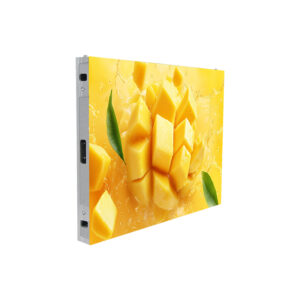
| Cabinet size | 500 × 500 mm | Enables modular screen assembly |
| Cabinet weight | Indoor: 7.5 kg; outdoor: 9.5 kg | Helps crews plan handling and installation |
| Curvature | ±25° supported | Enables suitable curved display layouts |
These specifications provide a starting point for comparing configurations. Actual performance depends on the selected model, content, lighting conditions, and installation design. Therefore, event teams should confirm the exact configuration before finalizing a stage plan.
Indoor and Outdoor Installation Considerations
Indoor concerts usually take place under controlled lighting, so designers can focus on resolution, viewing distance, and coordination with stage lighting. A flexible LED display panel with a suitable pixel pitch can present detailed graphics to nearby audiences. In contrast, outdoor concerts often require higher brightness to maintain visibility under daylight conditions. For these events, teams should also plan for environmental exposure, structural stability, power distribution, and reliable control connections.
Before installation, review the stage dimensions and determine where the audience will view the screen. Then, select the appropriate pixel pitch and curvature for the intended layout. The display supports control through APP, USB, LAN, or HDMI, depending on the configuration. In addition, synchronous and asynchronous control options can accommodate different content management requirements.

How to Plan a More Effective Curved LED Stage
A successful design combines visual impact with practical installation and operation. Use the following checklist during project planning:
- Define the viewing distance: Choose a suitable pixel pitch based on audience position and content detail.
- Select the curve: Confirm that the proposed layout fits the supported ±25° curvature.
- Match brightness to the venue: Consider indoor lighting or outdoor daylight exposure.
- Coordinate content and screen shape: Prepare graphics that work with the curved layout rather than treating it as a flat display.
- Plan installation and control: Check cabinet handling, power connections, signal routing, and access for maintenance.
These steps help production teams reduce design conflicts before equipment arrives at the venue. They also make it easier to coordinate screen installation with lighting, sound, and stage construction.
Conclusion
Curved LED installations give concert designers more ways to shape stage visuals and create memorable live experiences. From wraparound backdrops to outdoor festival display arcs, the right configuration can balance creative design with practical performance requirements. An indoor/outdoor flexible stage screen offers options for projects that need adaptable layouts, while pixel pitch, brightness, viewing angle, and control methods help determine the most suitable setup. Lihe Opto LTD provides indoor and outdoor LED display configurations for event projects, allowing buyers to evaluate options according to their stage design and installation needs.

Add comment