
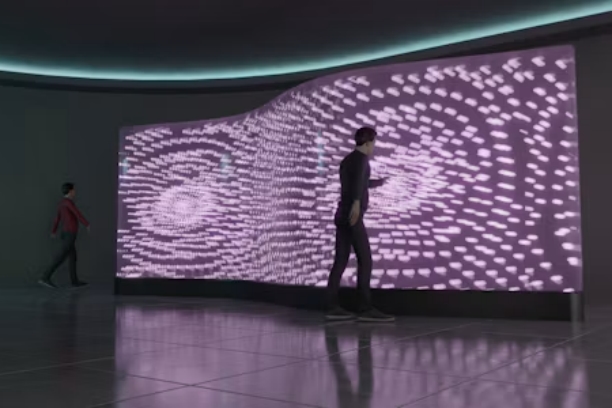
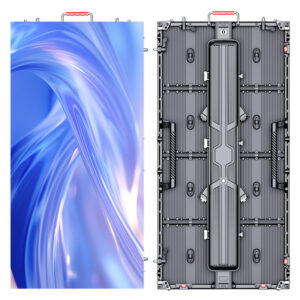
Indoor visual displays are widely used in conference rooms, control centers, retail environments, and exhibition spaces. In these applications, image clarity, color consistency, and smooth motion are essential because audiences often view the screen from relatively short distances. An LED display screen module combines fine pixel spacing with advanced driving technology to produce detailed images and stable visual performance. By integrating high-quality SMD LEDs, precision driver ICs, and a modular structure, the LH Indoor LED Module Series is designed to meet the requirements of premium indoor display installations.
How Does Small Pixel Pitch Improve Indoor Display Clarity?
Pixel pitch refers to the distance between the centers of two adjacent LED pixels. A smaller pixel pitch fits more pixels into the same display area. This increases pixel density and reveals finer image details. It is especially important for an indoor LED display. Viewers often stand close to the screen, making widely spaced pixels more noticeable.
A small pixel pitch LED display can therefore deliver smoother text, clearer graphics, and more detailed images at shorter viewing distances. Moreover, the high-density design of the LH Indoor LED Module Series helps create realistic visual content while keeping the overall installation space efficient. This makes it suitable for environments where presentation quality and close-range viewing are important.
Why Is a High Refresh Rate Important for Indoor LED Screens?
Refresh rate describes how frequently a display updates its image within a second. A higher refresh rate helps reduce visible flickering and supports smoother motion, especially when displaying dynamic content or when the screen is captured by cameras. Therefore, a High refresh rate LED screen is valuable in conference halls, broadcast environments, and other professional indoor applications where stable visual output matters.
The LH Indoor LED Module Series uses high-refresh-rate, high-grayscale constant-current driver ICs to support smooth image presentation. In addition, its dedicated 16-bit high-grayscale driver IC includes a built-in blanking circuit designed to protect LEDs and prevent surge leakage. These driving technologies help maintain consistent image performance across different content types.
How Does SMD Technology Improve Color and Viewing Performance?
Surface-mounted device packaging is widely used in modern indoor LED displays because it integrates red, green, and blue LED chips into compact pixel packages. This three-in-one LED technology supports effective RGB color mixing, helping produce vivid and natural colors. Furthermore, SMD packaging contributes to brightness uniformity and wide viewing angle performance, which are important when audiences view a screen from different positions.
LH Indoor LED Module Series is designed to maintain consistent brightness and accurate color reproduction from the top, bottom, left, and right viewing directions. As a result, an SMD LED display screen can provide a more consistent viewing experience across a wider audience area. This is particularly useful in meeting rooms, exhibition spaces, and retail environments where viewers may not always face the screen directly.
Key Components That Support Stable Display Performance
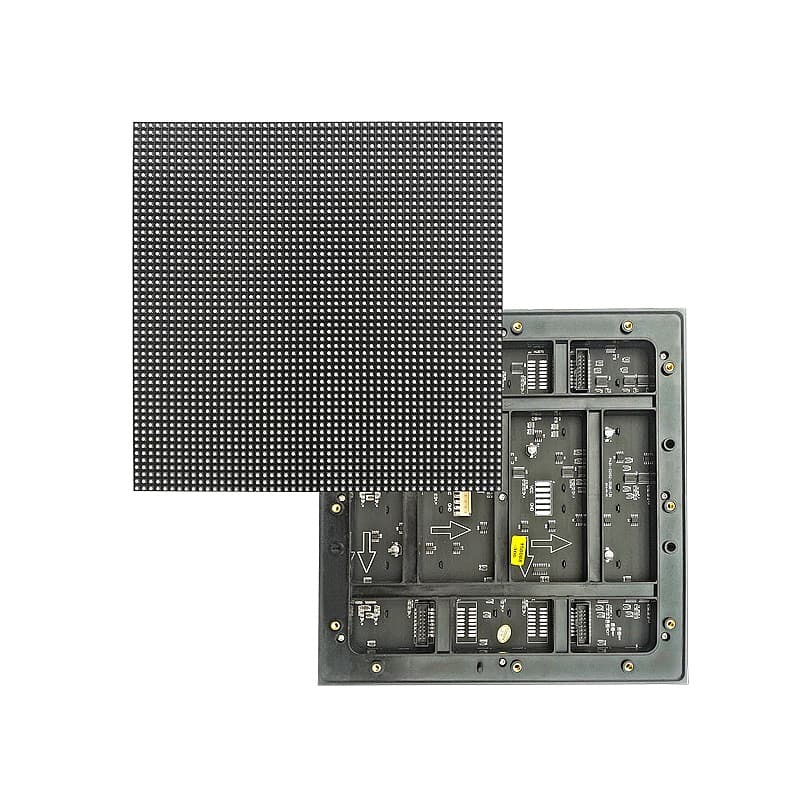
The image quality of an LED display screen module depends on more than pixel pitch and refresh rate alone. The LEDs, driver ICs, PCB structure, and electrical connectors all contribute to the overall performance and stability of an indoor display. The LH series uses selected core components to support color consistency, current distribution, heat dissipation, and reliable signal connections.
| Component | Design Features | Main Function |
|---|---|---|
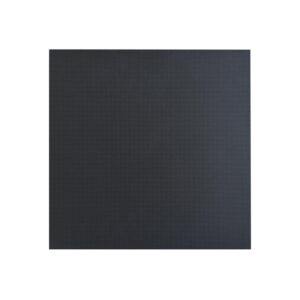
| LEDs | High-end 1515 matte black LEDs | Supports display quality and color performance |
| Driver IC | High-refresh-rate, high-grayscale constant-current driver IC | Supports smooth and stable image output |
| PCB Board | Multi-layer PCB design | Helps distribute current and dissipate heat |
| Connectors | 1U gold-plated connectors without internal ribbon cables | Provides secure electrical connections |
| Drive and Control | Dedicated 16-bit high-grayscale driver IC with built-in blanking circuit | Supports grayscale performance and LED protection |
These components work together to support stable operation under different indoor display conditions. Moreover, the multi-layer PCB design helps improve current distribution while providing heat dissipation and resistance to electromagnetic interference. The connector design also avoids internal ribbon cables, helping create a more secure connection structure.
Why Does Modular Design Make Installation and Maintenance Easier?
Modular construction allows display panels to be assembled from individual LED modules, making it easier to configure screens according to project dimensions. If a module needs inspection or replacement, technicians can access the relevant section without necessarily dismantling the entire display. Consequently, modular installation can help reduce maintenance complexity and improve project flexibility.
The LH Indoor LED Module Series features a lightweight cabinet structure and supports fast installation and removal. In addition, its modular configuration allows different display sizes and layouts to be planned according to the available installation space. This approach is useful for control rooms, conference halls, retail displays, and exhibition environments where installation efficiency and maintenance access are important.
How Can Indoor LED Modules Be Customized for Different Projects?
Different indoor environments have different display requirements. A conference room may prioritize fine text and detailed presentations, while a retail display may focus more on vivid colors and attractive visual content. Therefore, selecting suitable pixel pitch, module dimensions, brightness, and control systems is essential when planning an indoor display installation.
The LH Indoor LED Module Series supports customized specifications to accommodate different project requirements. Available customization options include:
- Pixel pitch: Select a suitable pixel spacing according to viewing distance and resolution requirements.
- Module size: Configure module dimensions to match the intended display structure.
- Brightness: Choose an appropriate brightness level for the indoor environment.
- Control systems: Coordinate display control requirements with the overall installation.
By considering these factors together, project planners can develop an LED display configuration that matches the intended viewing conditions and installation requirements. Lihe Opto LTD provides the LH Indoor LED Module Series for indoor display projects that require flexible modular configurations and refined visual performance.
Conclusion
The performance of an LED display screen module depends on the combined quality of pixel density, refresh rate, color reproduction, and electronic components. Small pixel pitch improves image detail at close viewing distances. High-refresh-rate driver technology also delivers smoother, more stable content. The LH series combines three-in-one SMD technology, 1515 matte black LEDs, and a multi-layer PCB. Its modular design supports professional indoor displays, including presentations, control rooms, retail advertising, and exhibitions.


Add comment